"Pink" protein:
pork as a source
of protein
and nutrition
Pork protein is complete, that is, it contains all essential amino acids for the body, and is characterized by high thermogenic power that stimulates metabolism.
For this reason, "pink" protein is an excellent choice for a balanced and healthy diet.

Many people avoid pork because they consider it too fatty, but this is a myth that needs to be dispelled. Some cuts, such as pork loin or leg, are lean meats with low calories and a rich, high-quality protein profile.
In particular, these cuts have a good balance of saturated and unsaturated fat, in line with the latest nutritional recommendations for a healthy diet.
In addition to being an excellent source of noble protein, pork is rich in micronutrients that are highly bioavailable, that is, easily absorbed by our bodies.
Among the main nutrients are:
- B vitamins, which are essential for energy metabolism and the well-being of the nervous system;
- mineral salts such as iron, potassium and zinc, useful for the proper functioning of the body;
- natural antioxidants such as creatinine, taurine, and glutathione, which protect cells from oxidative stress.
In addition, thanks to evolving animal feeding techniques, many pork meats today contain a significant proportion of unsaturated fats, including omega-3, known for their benefits on cardiovascular health.
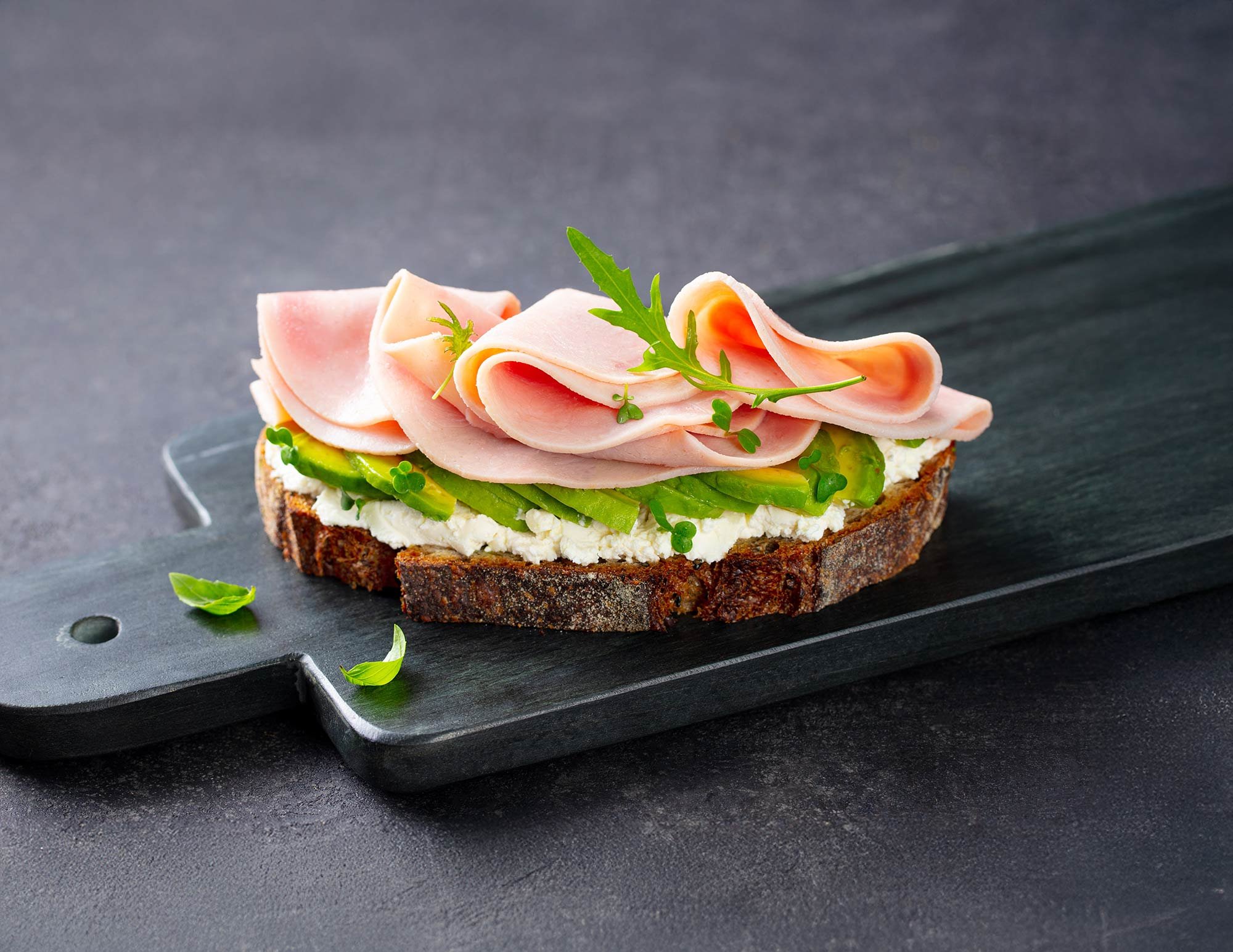
Pork, with its rich and flavorful taste, is perfect for a variety of preparations, from cooked hams to sliced meats, suitable for different groups of people, from the elderly to children to athletes.
Its versatility and high biological value make it a nutritious choice for any lifestyle.
The "pink" proteins contained in pork are not only rich in essential amino acids, but also in nutrients that are essential for the body's well-being.
With a balanced nutritional profile, a low calorie count and a flavor that wins everyone over, pork is an ideal choice for those seeking abalanced diet that does not sacrifice taste.