Protein
and childhood: the key role in growth
A child's protein requirements vary during different stages of growth. According to LARN guidelines (Reference Intake Levels of Nutrients and Energy for the Italian Population, 5th edition), protein requirements range between 0.9 and 0.99 grams of protein per kilogram of body weight, depending on the age and sex of the child.
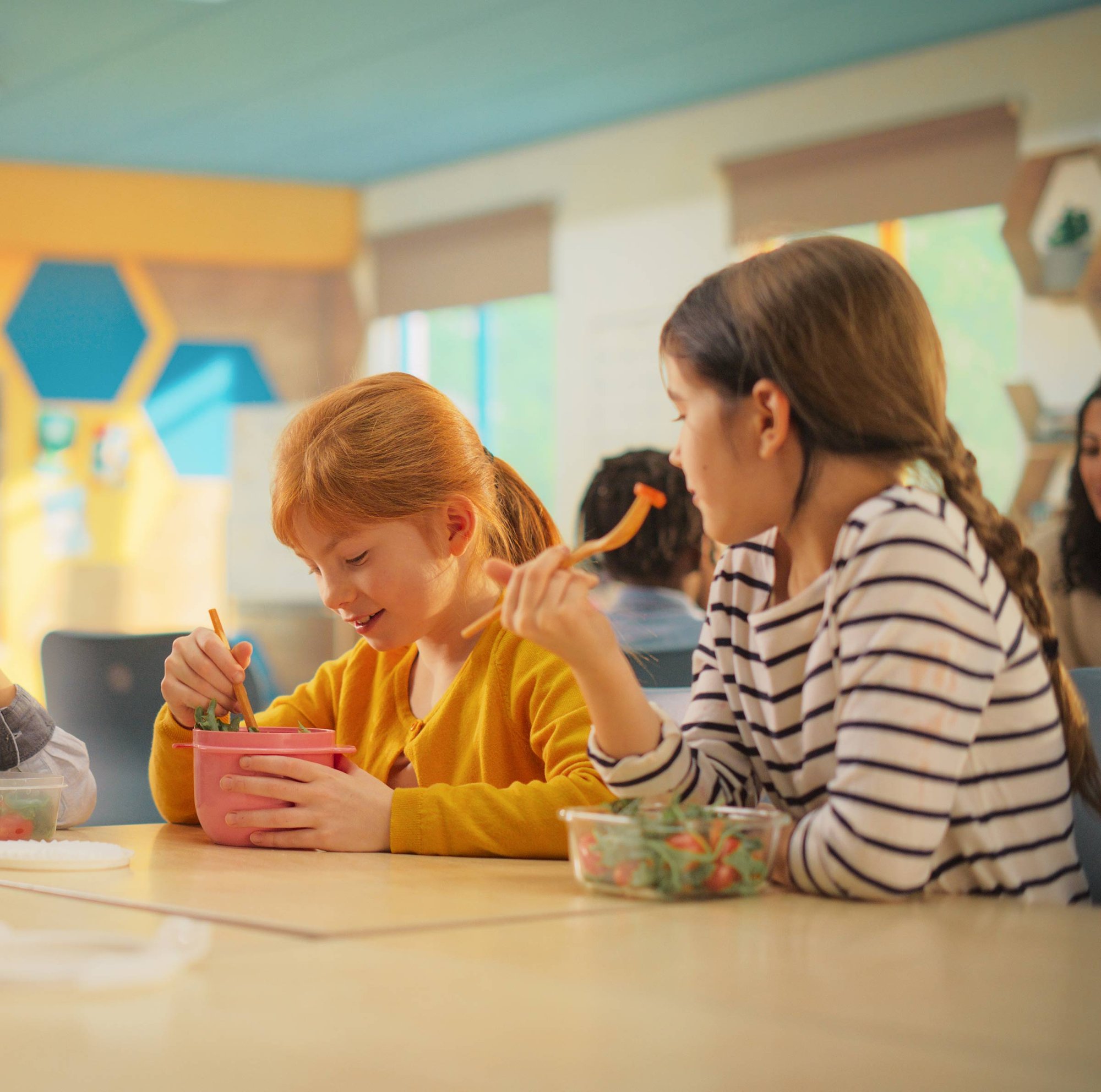
In general, it is rare for children in developed countries to suffer from protein deficiencies, but it is still important to ensure a proper diet, consisting of three main meals and two daily snacks, that includes different protein sources. This helps not only to ensure proper nutritional intake, but also to accustom the child's palate to different flavors from an early age, encouraging a healthy diet that includes meat, eggs, milk and cheese, fish, vegetables, fruits, grains and legumes. It is essential to avoid excesses while accounting for potential food intolerances or allergies.

Meeting protein requirements is only part of the equation —the nutritional quality of the food source is equally critical. Overreliance of foods that high in sodium, simple sugars, or saturated fat can lead to health problems and increase the risk of childhood obesity. A healthy, balanced diet should focus on fresh, nutritious and varied foods.
Although protein is essential for children's growth, excessive intake of protein can be harmful. Excessive protein consumption can overload the liver and kidneys as they process metabolic waste, potentially leading to adverse health effects.
As a general guide, 50-60% of a child's total daily calories should come from carbohydrates, about 30% from lipids, and only about 15% from protein. This proportion promotes a balance between the various macronutrients and ensures healthy growth and development.
Protein is essential for children's physical development and muscle growth, but it is important that the diet meets protein requirements without excessive intake. A proper diet, rich in diverse protein sources and foods of high nutritional quality, helps to ensure healthy growth and avoid risks of malnutrition or obesity. Establishing healthy eating habits early in childhood is essential for building a balanced approach to protein consumption.